Autumn Festivals Across India: Where Colors Come Alive
Oh, you want more? No problem, let's really dive into it. Autumn in India isn't just a season; it's like the country's collective "let's party" button gets smashed. Forget about those dreary pumpkin spice autumns you see in Western movies—here it's all about sensory overload. Imagine walking through a street and getting hit with the scent of marigolds, incense, and fried snacks all at once. You hear drums, laughter, maybe a goat bleating from somewhere (seriously, it happens). People aren't just celebrating; they're living it loud, and you're kind of obligated to jump in.
Take Diwali, for example. It's not just about lighting a few lamps and calling it a night. Nope. Whole cities turn into rivers of light. Kids with sparklers, aunties comparing rangoli designs, uncles arguing about who bought the best sweets. There's this buzz in the air that makes even the most cynical traveler a little giddy. And if you think that's wild, try Durga Puja in Kolkata—giant, jaw-dropping statues, pandals (temporary temples) that look like movie sets, and crowds so thick you'll wonder if you even have feet anymore. But everyone's smiling somehow. It's contagious.
And the food? Oh man, the food. Every festival brings its own special menu—think syrupy jalebis, crispy samosas, or weirdly addictive things like thekua during Chhath. In some places, they'll drag you into someone's home and insist you eat until you can barely walk. Saying no is basically illegal.
What really gets me is how every state, every tiny town—even the most remote mountain village—has its own take on autumn celebrations. Some places go for high drama: processions, elaborate costumes, even mock battles (watch out for those wooden swords). Others are more about the harvest, with local farmers showing off their best crops, singing and dancing in fields that look like someone spilled gold everywhere. It's community at its rawest and most joyful.
And it's not just for locals. Travelers get swept up in it too. Strangers become friends over a plate of food or a shared laugh at some street performance gone hilariously wrong. You end up with stories you can't quite explain to people back home because unless you've actually been there, under those festival lights with the music thumping and the smell of cardamom in the air, you just don't get it.
So yeah, India's autumn isn't just about what you see—it's about what you feel. Overwhelming? Definitely. But honestly, you wouldn't want it any other way.
Why Autumn Feels Like Festival Overload in India
As soon as the sticky monsoon packs its bags bam autumn barges in with that cool breeze, and suddenly everywhere you look, it's festival central. From September to November, it's like the entire country just can't stop celebrating: harvests, religious blowouts, tons of wild local stuff. Seriously, towns and cities light up so much you'd think the power bill just doesn't exist.
Why now? Well, blame (or thank) the Hindu lunisolar calendar. Everything kinda syncs up, so autumn turns into this massive party season. Perfect time for travelers, honestly. You get a mix of "thank you for the crops" vibes, dramatic mythological showdowns, and all sorts of regional craziness—mask dances in the northeast, stunning flower carpets down south, effigies going up in flames, and palaces looking extra bougie in the north.
But it's not just about ticking boxes on a festival calendar. There's something in the air—no, not just the smell of firecrackers and ghee. It's this wild, contagious excitement that gets everyone from old aunties to little kids out of their homes and into the streets.
Big Name Autumn Festivals From East to West
Let's start with Durga Puja, because wow Kolkata loses its mind in the best possible way. The whole city morphs into this glowing maze of temporary temples—they call them pandals, each one more over-the-top than the last. We're talking handcrafted goddess idols, music blasting into the night, and crowds that make Times Square on New Year's Eve look chill.
It's not just some religious deal, either. The creativity? Next level. Every neighborhood tries to outdo the others with crazier themes—one year it's an Egyptian pyramid, the next it's Hogwarts. People fly in from all over just to gawk, eat, and join the midnight madness. Don't skip the Dhunuchi dance—imagine people waving around smoking incense pots like they're at some ancient rave. And the food? Oh man, the food—giant feasts where everyone's invited. It's pure chaos and pure joy all wrapped up in one wild week.
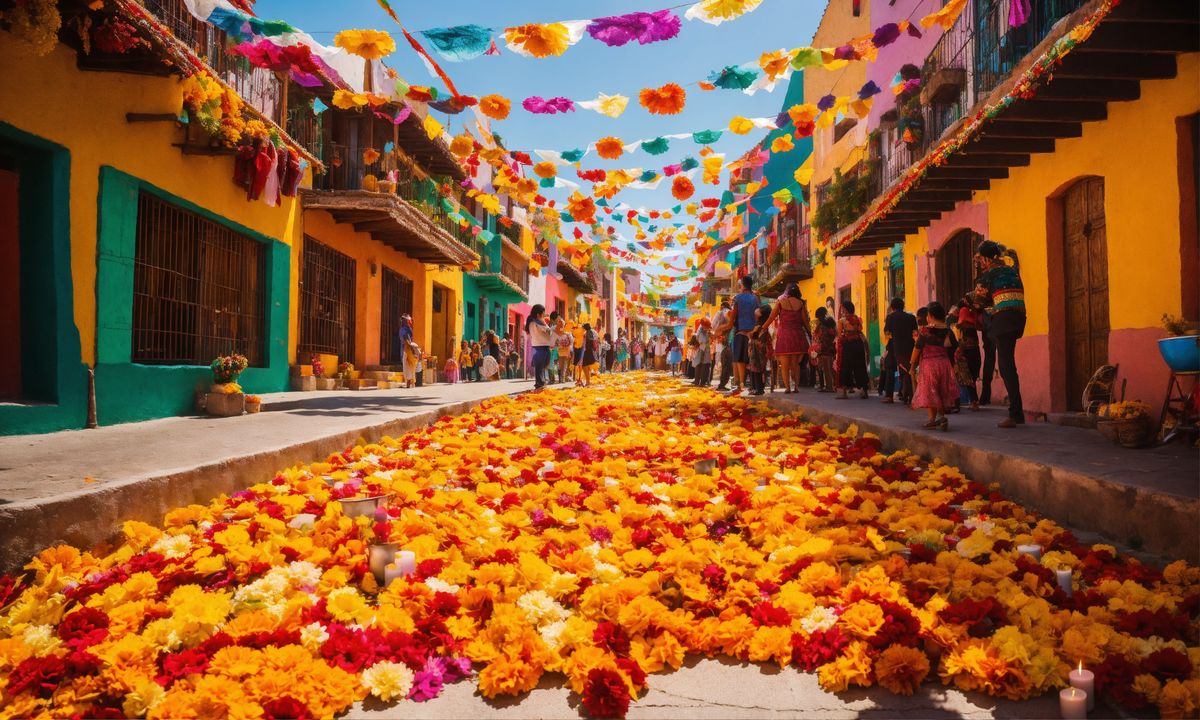
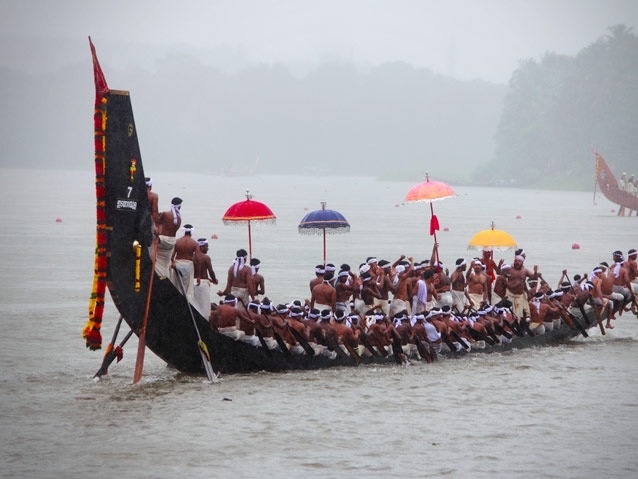
And that's just one corner of the country. Head south and you'll hit Onam season—Kerala turns into a flower-filled wonderland with people making crazy intricate floral carpets (pookalam), eating giant banana-leaf meals, and competing in boat races that look like something out of a movie. The north isn't slacking either—Dussehra means epic effigy burnings with huge crowds cheering as paper-mâché demons go up in flames. There's something so primal and satisfying about it, honestly.
It's not just about the big names, though. Every region's got its own flavor—folk dances, random fairs, parades with elephants or camels, you name it. The whole thing is this beautiful, noisy, messy expression of togetherness. Even if you're not religious, you can't help but get swept up in the buzz.
So yeah, autumn in India? It's a sensory overload in the best way. Try to keep up—you'll probably need a nap by November.
Dussehra and Navratri: Victory of Good over Evil
Dussehra—man, it's not just a festival; it's a full-on theatrical experience in India. Imagine this: the streets are packed, everyone's eyes glued to giant open-air Ramlila dramas where actors bring the whole Ramayana to life, usually with more enthusiasm than budget. And the grand finale? Massive effigies of Ravana stuffed with fireworks going up in literal flames, everyone cheering like their team just won the World Cup. In northern towns, you'll see little kids running around with toy bows, trying to be mini Ramas. Karnataka jumps in with its own flavor, but Mysore? Mysore doesn't do subtle. That palace turns into a glowing jewel covered in so many lights you'd think it's competing with Vegas. The parade struts through the city—decked out elephants, dancers swirling, musicians going wild—and everyone from toddlers to grannies just soaking it in. It's the kind of parade where you end up with confetti in your shoes and probably a mild sugar high from all the festival sweets.
Meanwhile, Gujarat just cranks the energy up to eleven with Navratri. For nine nights, the whole state pulses with Garba and Dandiya dances—picture thousands of people all decked in sequined, vibrant clothes moving in these hypnotic circles under fairy lights. It's a photographer's dream, and you'd better believe Instagram is flooded with shots each year. Honestly, even if you've got two left feet, you'll find yourself in the mix, just spinning around and hoping you don't trip over someone's lehenga. There's something electric in the air, a sense of unity and joy that's hard to find anywhere else. Food stalls pop up everywhere selling spicy snacks and sweet treats, and every night feels like a celebration of life itself.
Diwali: The Festival of Lights
Days before, folks are scrubbing their homes spotless, stringing up fairy lights, and prepping for the main event. On Diwali night, you step outside and boom—there's a riot of colors, fireworks lighting up the sky, and the smell of sweets and incense hanging heavy in the air. Neighbors go door to door sharing boxes of mithai (those dangerously addictive sweets), and families gather to play cards, swap stories, and just bask in the glow. Varanasi takes it to another level, though. The ghats along the Ganges are blanketed in little lamps, their reflections shimmering on the water, and there's this almost surreal feeling like the whole city is floating in light. People say it's spiritual, but honestly, it's just pure magic. Doesn't matter if you're religious or not; you'll feel the buzz.
Tawang Festival: Off the Beaten Path
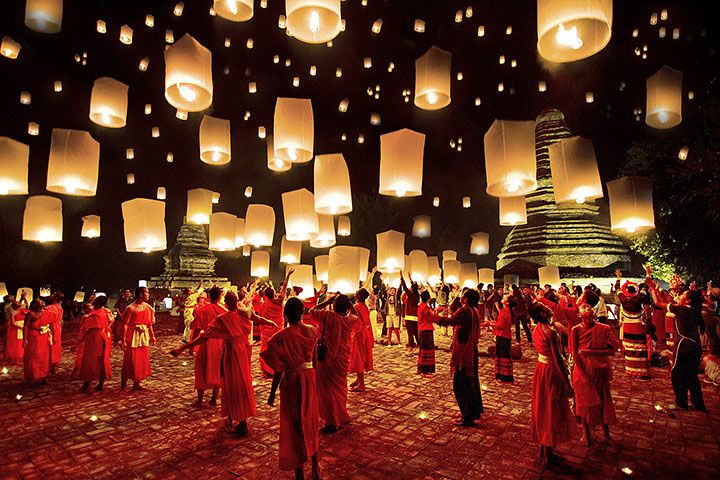
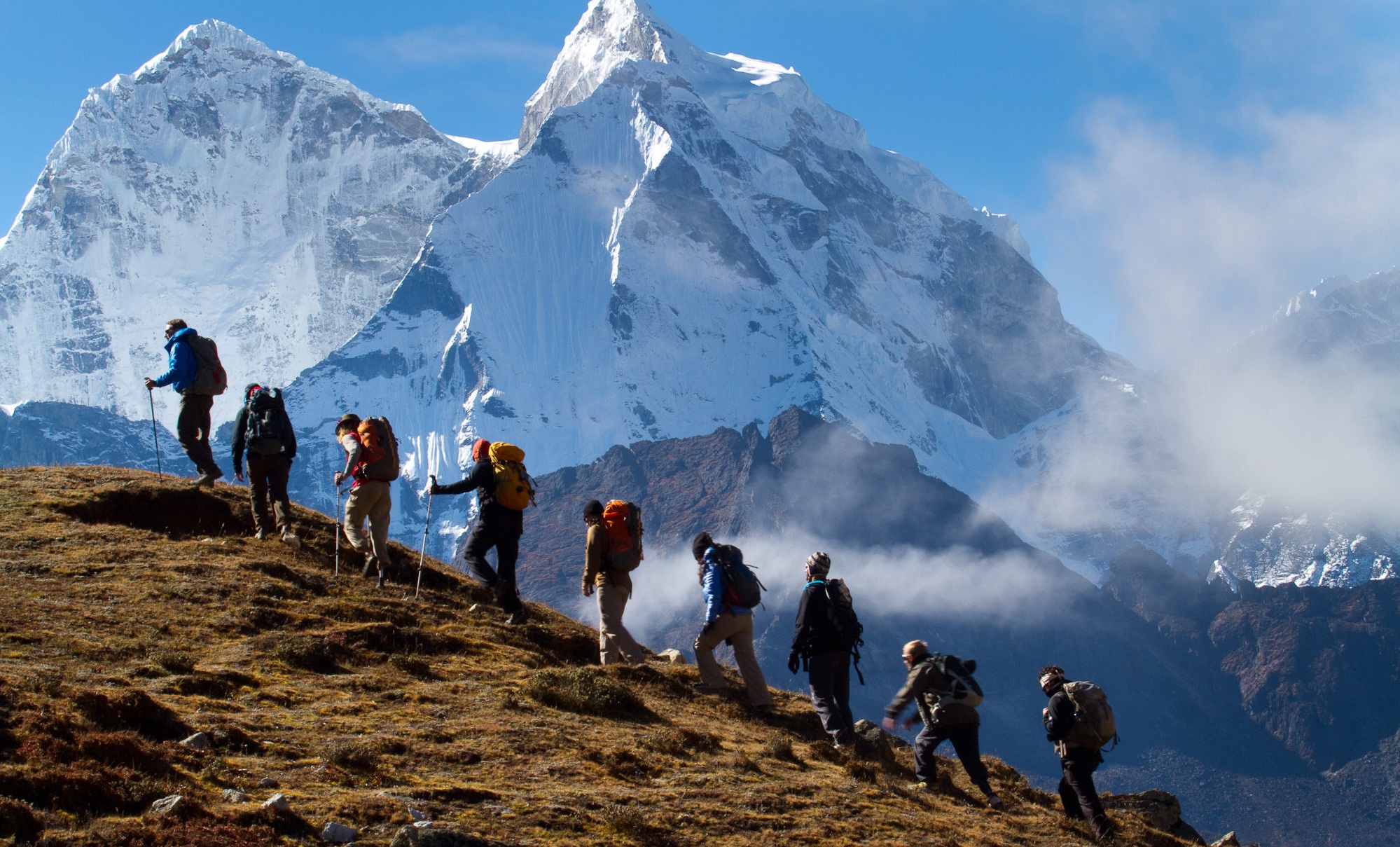
And if you're someone who likes to stray off the beaten path, the Tawang Festival in Arunachal Pradesh is an absolute gem. Northeast India doesn't get the attention it deserves, but this festival? Oh, it's something else. The Monpa community goes all out, mixing ancient Buddhist rituals with a street party vibe. Monks in wild, colorful masks perform dances that tell old stories, there's traditional music that's both haunting and catchy, and the whole place smells of momos and butter tea. Craft fairs show off local handiwork—think handwoven shawls and quirky souvenirs you won't find in any Delhi market. Plus, the backdrop? Towering mountains and the Tawang Monastery, which looks like it was plucked straight from a postcard. Late October is when it all happens, and if you're into adventure sports, you'll find some wild treks and river runs to add adrenaline to your cultural fix. Honestly, if you're sick of the usual tourist circuit, Tawang will blow your mind.
Onam: Kerala's Harvest Spectacle
Onam? Oh, buckle up, because Kerala goes all-out for this one. We're talking ten days where the whole state feels like it's auditioning for a Bollywood musical. There's these wild snake boat races—imagine dozens of oarsmen, muscles gleaming, rowing like their lives depend on that trophy. The energy is nuts. Then you've got pookalams, those floral carpets—kids, grannies, everyone's on the ground making these psychedelic patterns out of petals. It's like a flower explosion on every doorstep. And don't even get me started on the Sadya—if there's a food coma Olympics, this banana leaf feast is the training ground. More curries than you can name, crispy chips, tangy pickles, payasam (some next-level dessert), and people just keep piling it on. Honestly, if you leave hungry, that's on you.
But Onam isn't just about stuffing your face or flexing your creative muscles with flowers. It's got this vibe of unity—friends, family, neighbors, even that guy you barely talk to, all coming together. There's Pulikali, where dudes paint themselves up like tigers and prance around to drumbeats—equal parts hilarious and impressive. The music, parades? They're not just for show; they're an open invitation. Anyone can join in, clap along, or just lose themselves in the rhythm. Autumn in Kerala basically turns into a living, breathing work of art. No wonder photographers drool over it.
Onam, Kerala's riotous harvest bash that kicks off the Malayali New Year, isn't just a festival—it's a full-throated roar of the earth giving back after the monsoon's wild tantrum, blending ancient lore with a kaleidoscope of colors and chaos that could make even the most jaded trekker trade boots for a flower chain.
Regional Hidden Gems
Now swing up northeast to Meghalaya for Wangala—the 100 Drums festival. You know that feeling when you hear a bass drop at a concert and your chest vibrates? Multiply that. The entire village gets swallowed up by this hypnotic wall of sound as everyone drums in sync, dressed in the brightest, wildest costumes you've ever seen. It's not just a party for the sake of partying, though. They're giving thanks to Saljong, the Sun God, hoping for another solid harvest. The dances are straight fire—no one just stands around. It's like the whole community becomes one big beating heart. If you're bored of the same old travel photos, Wangala will snap you out of it real quick. And man, those sun-dappled hills as a backdrop? Unreal.
Telangana's Bathukamma brings a different flavor. Women gather in circles, balancing these gorgeous towers of flowers on their heads, singing songs passed down generations. There's this sense of pride like, "Yeah, this is our tradition, and we're owning it." The finale? Everyone walks to the water, flowers and all, for this big collective immersion. It's both a farewell and a blessing, a way of saying thanks and letting go. Assam's Kati Bihu feels almost meditative in comparison. Lanterns (Akash Banti) float up into the night sky, and there's this hush as people pray among the rice fields, hoping the earth keeps giving. Tulsi plants are worshipped, which is kinda sweet when you think about it—giving nature its due respect.
And if you thought autumn was winding down, think again. Odisha's Nuakhai is all about the new rice harvest. Everyone's got a plate in hand, and there's this unspoken rule: you eat, you celebrate, you thank the land. They don't do anything by half-measures—feasts, rituals, everyone coming together like one big fam. Manipur's Chavang Kut? Pure visual overload. Dancers in vibrant costumes, cultural shows, and a general sense of "the more, the merrier." You can't stand still—the music just pulls you in. Jharkhand's Sohrai gets a little wild with cows as the stars of the show (yep, you read that right), tribal wall murals bursting with color, and performances that'll have you grinning ear to ear.
And then, sweet tooths rejoice—Nabanna in West Bengal is your festival. It's a celebration of new rice, sure, but it doubles as an excuse to eat your body weight in sweets and pithas. Families get together to cook, laugh, and make memories. It's not just about the food, though—there's poetry, music, and this infectious joy that just spills out into the streets.
Travel Tips for Autumn Festivals
Okay, let's get real for a second—autumn in India isn't just the festival season. It's basically a wild, months-long party where every corner of the country seems to be in full-on celebration mode. And the thing is, you can totally feel it in the air. The sticky summer heat chills out, the evenings get crisp, and suddenly everyone's got a reason to dress up and eat too much sugar. If you're even thinking about experiencing this, you gotta go all in.
- First rule of autumn festivals: Planning ahead isn't optional; it's survival. Picture this: you roll up to Jaipur or Kolkata thinking you'll find a cute guesthouse on arrival. Nope. You and a thousand other travelers all had the same spontaneous idea. The good spots get snapped up ages in advance. So yeah, book your stay early unless you like sleeping in train stations or making friends with hotel lobby sofas.
- But don't just stand there like a tourist. Locals can spot a festival spectator a mile away, and honestly, you're missing half the fun if you just watch from a distance. Get messy. Join the processions—even if you have no idea what's going on—someone will probably hand you a drum or a flag or just pull you into a dance circle. Festive food? Say yes to everything, even if it looks suspiciously sweet or spicy. And about those traditional clothes—don't be shy. There's something about putting on a kurta or a saree that makes you feel like you belong, even if you're just faking it till you make it.
- Want to know the best way to actually get what's happening? Ask questions. People love sharing the stories—there's always a legend, a moral, a bit of gossip behind every ritual. You'll hear tales of gods outsmarting demons, queens throwing flower parties, or villages coming together after a crazy harvest. Sometimes the stories make sense; sometimes they sound like something out of a Bollywood fever dream. But that's half the charm.
- And look, if you're even a little bit into photography or just want to make your Instagram pop, this is your moment. The whole country turns into a photo op. Think Diwali lamps lining every window, flower carpets so intricate you'll wonder if someone used a stencil, temples decked out in fairy lights, and crowds in technicolor clothes. You'll run out of phone storage before you run out of things to snap.
- Don't feel like elbowing through the main hotspots with everyone else? Perfect. India's got a thousand hidden gems. Ever heard of Wangala, the drum festival in Meghalaya? Or Bathukamma, where women in Telangana build these wild flower towers and sing all night? These lesser-known parties are pure gold. You get to skip the massive crowds, actually talk to people, and see traditions that most mainstream travelers don't even know exist. Plus, your travel stories will instantly level up.
Let's talk food, because honestly, half the reason anyone goes to festivals is to eat. Autumn means harvest, which means fresh everything. You'll get Onam Sadya served on banana leaves (try to finish all those curries—I dare you), Diwali sweets that'll give you a sugar high for days, Durga Puja bhog that's served to thousands at a time, and market stalls loaded with just-picked fruits and veggies. Your taste buds basically go on a rollercoaster ride.
And the vibe? It's electric. One minute you're watching priests light a thousand lamps on the Ganges, the next you're swept into a street parade with drums so loud your bones rattle. Kids launch fireworks, families swap stories, strangers become friends over shared plates of food. The whole idea of festival here isn't just about tradition—it's about community, about everyone dropping their worries for a while and celebrating just being alive.
By the end, you'll find yourself changed. You'll carry the smell of incense, the beat of a hundred drums, the shimmer of saris and lanterns. And honestly, maybe a bit of glitter you can't wash out for weeks. These festivals are more than just events—they're memories in the making, stories you'll tell for years, pure color and chaos and joy.
So if you're planning your next adventure, don't just scroll past autumn in India. Jump in. Let the festivals sweep you up. Let them teach you how to dance badly, eat too much, laugh with strangers, and remember what it feels like to be part of something bigger. This isn't just a trip. It's an experience that'll stick with you way after the last lamp's gone out. And if you're a travel blogger, trust me—these are the stories your readers actually want.
Which festival are you most excited for?