India’s Oldest Temples You’ve Never Heard Of
India’s spiritual side isn’t just about the postcard famous stuff. It’s carved into rock, tucked into wild jungles, half swallowed by old villages nobody talks about anymore. Yeah, you’ve got the big ticket temples with crowds snapping selfies, but honestly The real magic is off the map, where the priests still chant and the air practically buzzes with old secrets.
We’re talking temples so ancient even the trees seem to whisper their stories places time nearly erased. Some are crumbling, some are stubbornly standing tall, all of them breathing with rituals you can’t fake for tourists. Wander with us down dusty roads and mossy stone steps; get lost in the hypnotic chaos of carvings and the hush of sacred groves. There’s more than just spirituality here—there’s India’s wild, beating cultural heart, alive and kicking.
You’ll stumble onto legends, mind-blowing architecture, and maybe even a new obsession for your travel bucket list. Basically, forget the guidebooks. This is heritage the way it was meant to be found: raw, mysterious, and kind of unforgettable.
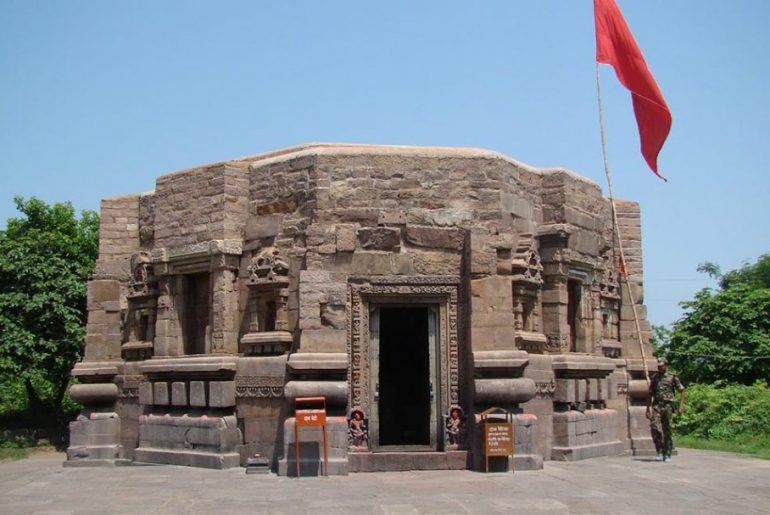
Mundeshwari Temple in Bihar has been doing its thing since, what, 108 AD Yeah, you heard right—folks have been showing up here to worship for nearly two millennia without missing a beat. That’s basically forever in temple years.
The place isn’t your standard shrine either; it’s got this wild octagonal shape going on, plus some seriously old-school Nagara-style carvings that’ll make your jaw drop if you’re even half a history nerd. And get this—it’s not just for Shiva or Shakti, but both, so everyone’s invited to the party.
If you ever swing by when the weather’s cool, there’s this whole vibe—mist curling up from the hills, the air thick with old stories and incense. Feels like you’ve stepped straight into some ancient legend. Total goosebumps.
Picture this: you’re hacking your way through the wilds of Mulugu, and suddenly—bam—a 6th-century temple pops out of the trees like some Indiana Jones fever dream. Archaeologists just dusted this place off (so, yeah, it went MIA for, like, a millennium). It’s all about Shiva here, but you’ll spot Ganesha and Ardhanarishvara chilling on the walls too. The crazy part? Because nobody knew it was there, the ancient Vakataka-era sculptures are basically untouched. If you’re the type who gets goosebumps from ruins and wants a side of spiritual quiet with your adventure, this spot is straight-up gold.
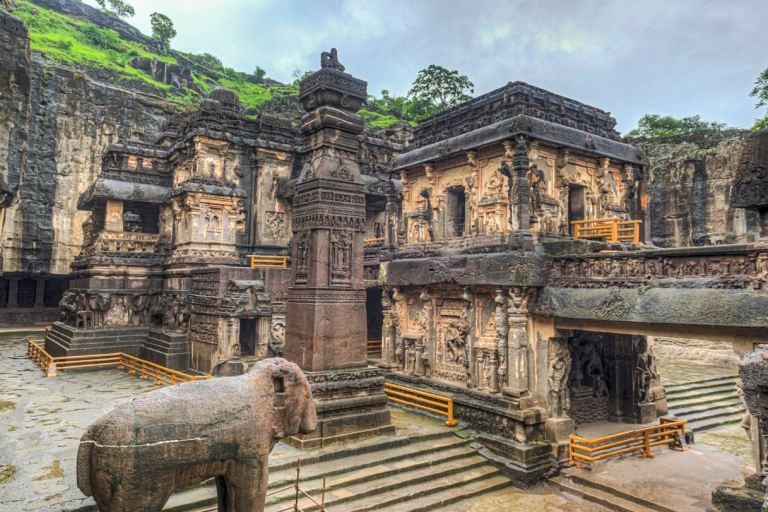
Let’s talk about the Kailasa Temple. Imagine someone just…carving an entire temple out of one giant rock. Yep, that happened in the 8th century. The place is massive—like, “how did humans even?” levels of massive. The carvings Mind-blowing. Dravidian style turned up to eleven, gods and legends frozen in stone, and every inch screams epic. You wander around and it’s like history is whispering in your ear (okay, sometimes yelling). If you geek out over ancient architecture or want to feel tiny in the best way, this is your spot.
The Kailasa Temple, an awe inspiring marvel of ancient Indian rock-cut architecture, stands as the largest single monolithic excavation in the world, carved vertically from a single basalt cliff at the Ellora Caves in Maharashtra, India. Dedicated to Lord Shiva and constructed in the 8th century during the reign of Rashtrakuta king Krishna I, this Dravidian-style masterpiece spans over 200,000 tons of rock removed to reveal intricate details: towering gopurams, life-sized elephant sculptures, and vivid friezes depicting scenes.
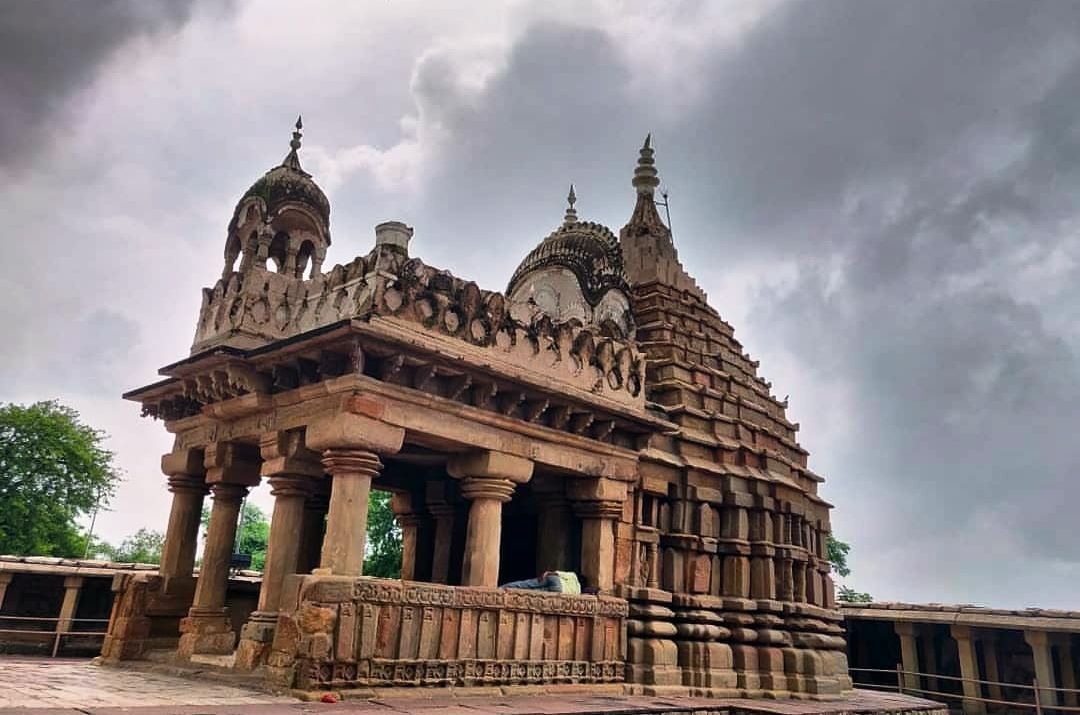
Honestly, most people just zip past this spot, buried deep in Madhya Pradesh’s dusty landscape. The Chausath Yogini Temple? It’s basically a giant stone circle, open to the sky a weirdly magical arena built way back in the 9th century for sixty-four fierce tantric goddesses. Not exactly your average Instagram checklist. Hardly anyone goes, but those who do are usually chasing some mystical secret or just soaking up the rural hush. Locals still whisper crazy stories about the place. There’s something about it kind of eerie, kind of peaceful.
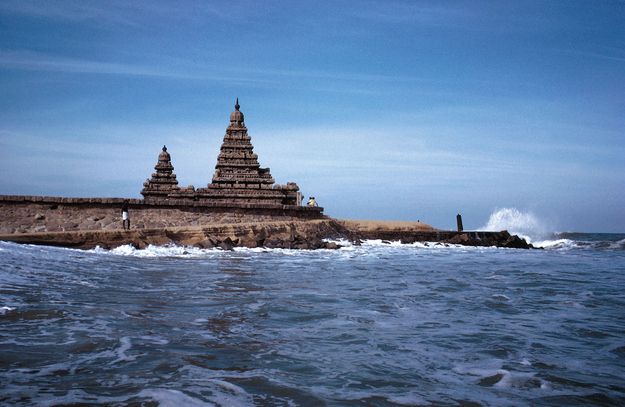
Now, the Shore Temple Whole different vibe. UNESCO’s stamped its approval, and yeah, it deserves the hype. This one’s an OG—built in the 8th century, literally one of the first South Indian temples carved out of stone. It just sits there, staring out over the wild Bay of Bengal, looking dramatic as hell. Back in the day, they say the towers and carvings were covered in gold leaf. Imagine rolling up on a ship, seeing that sparkle from miles away. If you’re up before sunrise, with the salty air and the sound of waves crashing? Man, it’s unforgettable. The place hums with old stories you can almost hear them if you listen close enough.
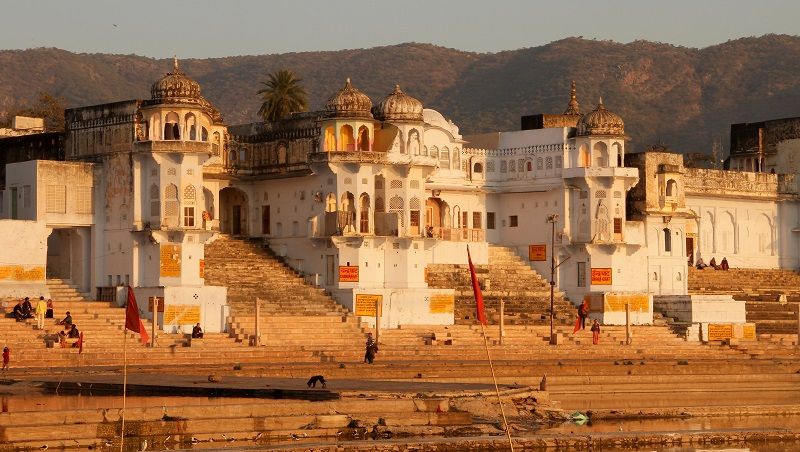
Brahma doesn’t get a ton of temples seriously, this one in Pushkar pretty much stands alone, and it’s ancient, we’re talking maybe 2,000 years old, give or take a few centuries. There’s this moss covered staircase that drops you right by a peaceful lake. If you’re into spiritual vibes or just want a killer sunset photo, the evening aarti here is honestly next level. The place has been lost and found and rebuilt over the years, still feels like you’re stumbling upon a secret.
People call Varanasi the heart of Hindu spirituality, and Kashi Vishwanath is basically its heartbeat. This temple’s been taken down and rebuilt more times than anyone can count seriously, it’s like the city refuses to let it fade. That golden spire? You can’t miss it. The constant flow of prayers just soaks into your bones. Pilgrims show up hoping for liberation or, at the very least, some inner peace. For travelers, it’s like stepping right into a living, breathing epic.
The Meenakshi Temple’s got roots so deep, some say they hit the 6th century BC. But don’t expect some dusty old ruinthis place is alive. Vibrant gopurams, endless sculptures, sacred pools it’s basically a riot of color and devotion. When evening hits, the lamps light up, the music gets going, and you’re swept up with the crowd. It’s wild, a bit overwhelming, and proof that tradition here isn’t just surviving, it’s thriving (with a dash of chaos thrown in, obviously).
Seriously, this place is wild. It goes all the way back to like the 6th century BC (yeah, wrap your head around that), but honestly, people just kept adding to it over thousands of years. Walk up and bam those gopurams hit you with a riot of color and jaw dropping sculptures. The temple’s not just a dusty relic either. Evenings? The whole place is buzzing: lamps everywhere, music echoing through the halls, and waves of devotees pouring in. It’s alive, not frozen in time—a full-on sensory overload that somehow still feels sacred. India’s got this knack for keeping old traditions pulsing right through the chaos of modern life, and Meenakshi Temple is like the poster child for that.
Nestled deep within the lush, untamed forests of Telangana's Mulugu District, the Devunigutta Temple stands as a whispering relic of the 6th century CE, a Shiva sanctuary carved from stone during the Vishnukundin dynasty's golden era. Just 2.5 km from the sleepy village of Kothur and 60 km east of Warangal, this architectural enigmaeerily reminiscent of Cambodia's Angkor Wat .
A Few Off-the-Beaten-Path Stunners
- Champaner-Pavagadh (Gujarat): If you love a good ruin, this UNESCO site is packed with ancient temples, stepwells, and forts from the 8th century. Way underrated.
- Tungnath Temple (Uttarakhand): The highest Shiva temple in Asia seriously, it’s perched up in the Himalayas, practically in the clouds. Perfect if you like your spirituality with a side of altitude sickness.
- Mitawali Temple (Madhya Pradesh): Looks like something out of a fantasy flick, with its round design and 64 yogini statues keeping watch.
- Padmanabhaswamy Temple (Kerala): Mysterious vaults, treasure legends, and a vibe that’s just dripping with old-school South Indian mystique.
- Scope out local festivals those are the moments you’ll see wild rituals and traditions you’d never catch otherwise. Dress on the modest side, and maybe Google a little history beforehand, just to show some respect. Some of these places are pretty remote, so don’t count on fancy cafés or even bottled water—pack your own. And if you want peace (and amazing photos), drag yourself out of bed for sunrise. Trust me, it’s worth it.
Honestly, India’s oldest temples? They’re like ancient rockstars standing there, quietly killing it while the flashier ones hog all the spotlight. Mundeshwari in Bihar, Devunigutta out in Telangana, tucked-away shrines in the jungles of Madhya Pradesh, and those weathered stones at Mahabalipuram… each one’s basically a living, breathing time capsule. There’s a wild amount of history pulsing through their walls, just waiting for someone to tune in.
If you’re the type who gets bored of the usual tourist gig, these places are where the real magic’s hiding. You end up stumbling into legends, jaw-dropping art, and just this raw sense of devotion that’s kind of mind-blowing. Plus, you’ll walk away with stories that actually surprise people back home.
So yeah, if you’re up for it, bring your curiosity and maybe a little respect (temple etiquette, folks). These stones have seen more than you or I ever will, and honestly? They’re more alive than half the new stuff popping up on your Instagram feed. Go see for yourself.
Which hidden temple are you adding to your list