Europe on a Budget: My Personal Guide to Affordable Adventures
Hey there, fellow budget travelers! After three years of exploring Europe without emptying my bank account, I've learned that you absolutely don't need to be rich to experience the magic of this continent. I've stayed in countless hostels, eaten street food for weeks straight, and discovered the joy of free walking tours in almost every major city.
Let me share my hard-earned wisdom on how to explore Europe in 2025 without breaking the bank.
I used to think Europe was out of my price range until I took the plunge and booked that first trip to Prague. What I discovered changed everything.
- It's more rewarding: When you're not splurging on luxury hotels, you're forced to find authentic local experiences.
- You meet more people: Budget accommodations and free activities are where you'll connect with fellow travelers and locals.
- The challenge is fun: Finding that perfect €3 lunch or discovering a hidden free viewpoint feels like winning a game.
- You see more: When you spend less in each place, your money stretches further across multiple destinations.
Budget travel in Europe: Embarking on a shoestring adventure across Europe in 2025 taught me that the continent's treasures aren't reserved for fat wallets. Far from it with savvy hacks turning potential splurges into serendipitous steals that amplified every sunset in Riga or street feast in Lisbon. I kicked off in the Baltics, where Riga, Latvia, reigns as Europe's cheapest city, luring me with 3-star hotels averaging just $16.50 for two nights and meals under €10 at bustling markets.
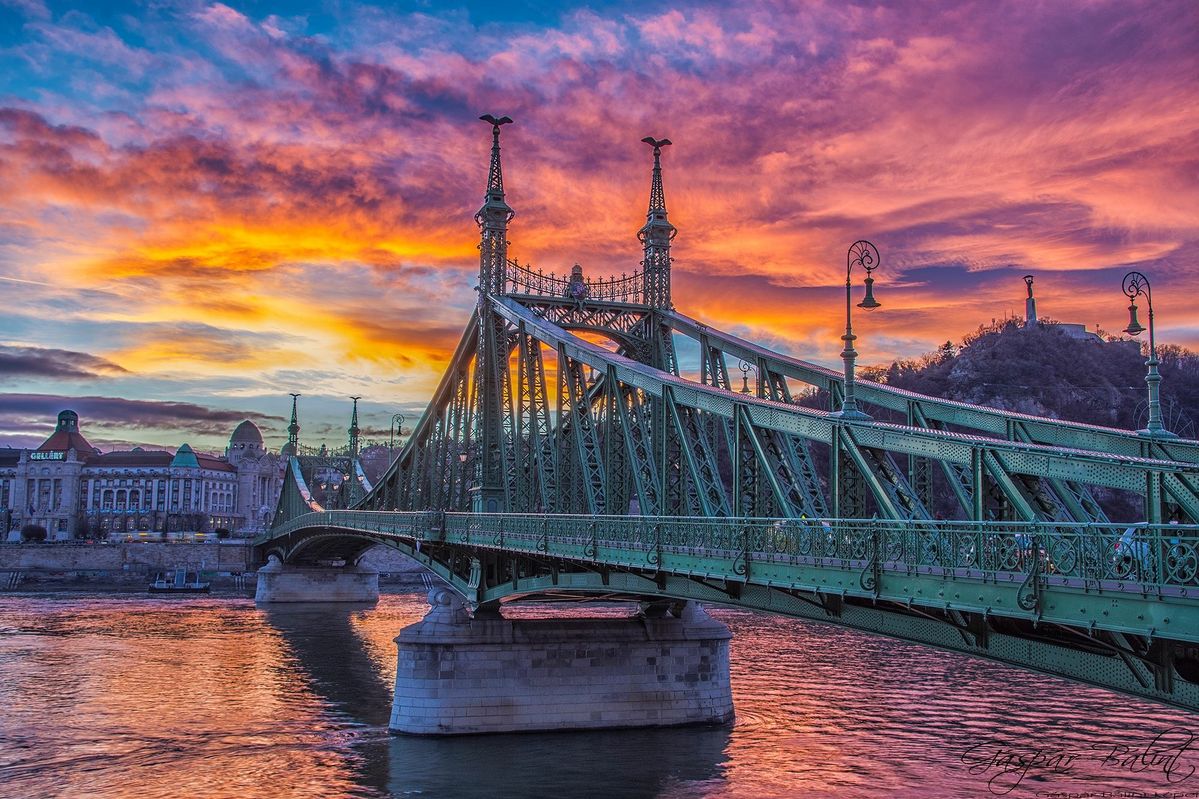
Trust me, some of my most memorable European experiences cost absolutely nothing. That sunset over Budapest? Free. That impromptu dance party with locals in a Lisbon square? Free.The friendships I made in hostel common rooms across the continent? Priceless.
Budapest, Hungary: My All Time Favorite Budget Destination
I spent three weeks in Budapest and still spent less than a weekend in Paris would have cost me. This city is a budget traveler's dream. In 2025, expect to spend €22-€46 per day on a tight budget.
- Those thermal baths are INCREDIBLE and surprisingly affordable: €15-20 for a full day.
- The ruin bars in the Jewish Quarter offer the coolest nightlife experience I've found anywhere.
- Hungarian food is hearty and cheap: I still dream about the goulash I got for €5-7.
- The free views from Fisherman's Bastion made for my most-liked Instagram post ever.
My personal tips:
- Stay in District VII (Jewish Quarter): It's where all the action is.
- Buy the 72-hour Budapest Card if you're visiting multiple museums.
- Try the weekday lunch menus for the best deals: I found complete meals for €5-7.
- Take the #2 tram along the Danube for a cheap alternative to river cruises.
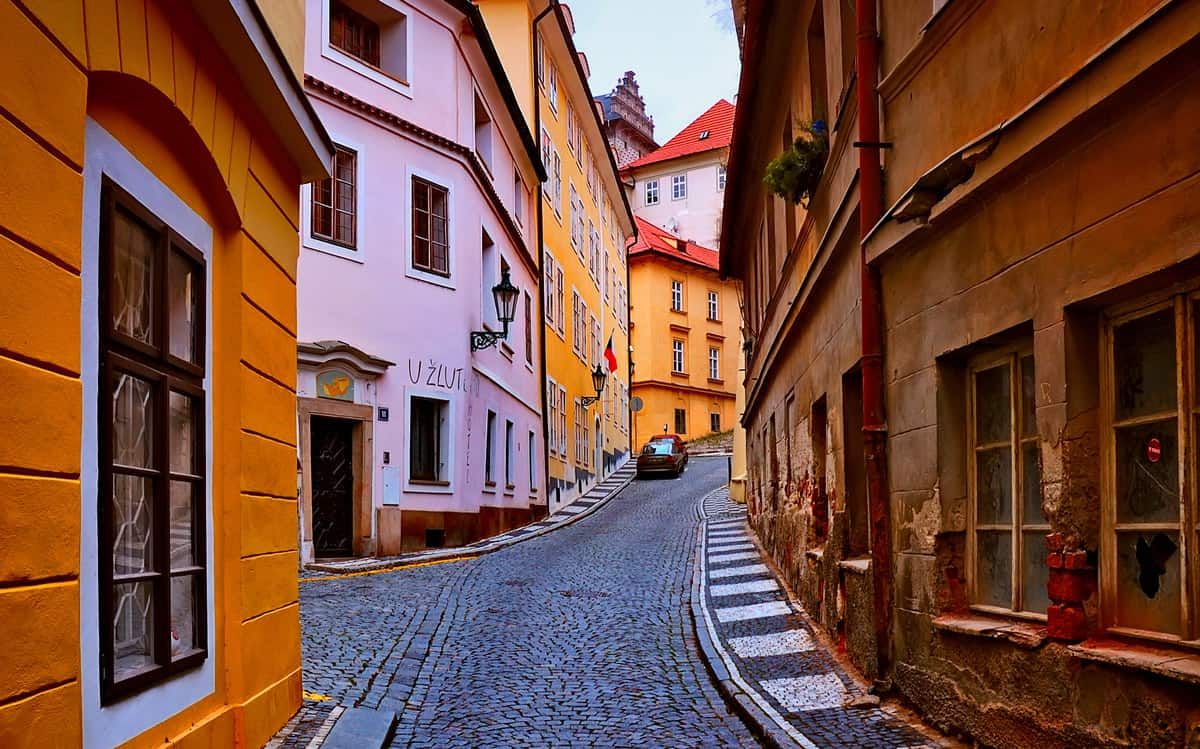
Prague feels like you're walking through a storybook, and somehow it's still incredibly affordable. Aim for €30-€50 per day in 2025.
Budapest, Hungary: My All Time Favorite Budget Destination
- The architecture is stunning: Every building looks like it belongs in a movie.
- Czech beer is possibly the best in the world AND the cheapest: €1.5-2 for excellent local brews.
- Free walking tours give you all the history without the museum entry fees.
- The entire historic center is walkable, saving transportation costs.
Budget hacks I discovered:
- Avoid restaurants on the main squares: Walk just two streets over to find half-price meals.
- Visit Prague Castle grounds and gardens for free: You only pay to enter specific buildings.
- Grab picnic supplies from local grocery stores and eat in Letná Park with amazing city views.
- Use the tram system: It's cheap, efficient, and saved my feet after days of walking.
When I first visited Krakow, I kept checking my conversion app because I couldn't believe how cheap everything was. This city is SEVERELY underrated. Budget €28-€70 per day in 2025.
- The massive Main Market Square with its hourly trumpet call is magical.
- Polish food is comfort food heaven and absurdly cheap: €3-5 for huge portions.
- The history is incredibly moving, particularly the Jewish Quarter and day trips to important WWII sites.
- The nightlife is surprisingly vibrant with drinks costing a fraction of Western European prices.
My budget traveler notes:
- Skip the organized tours to Auschwitz and take the public bus instead: Same experience, half the price.
- The free walking tours were the best I've found in Europe: Tip what you can afford.
- Stay in Kazimierz (Jewish District) for the best value accommodations and restaurants.
- Hit the pierogi bars for the ultimate cheap eats: I once had 10 dumplings for less than €4.
Lisbon stole my heart with its colorful buildings, friendly locals, and surprisingly affordable prices compared to other Western European capitals. Plan for €65-€130 per day in 2025.
- The weather is amazing almost year-round, making outdoor free activities always possible.
- Portuguese food is incredible and affordable, especially the seafood.
- Those iconic yellow trams are actually public transportation, not expensive tourist attractions.
- Free viewpoints (miradouros) throughout the city offer million-dollar views without spending a cent.
My Lisbon money-saving tricks:
- Order menu do dia (menu of the day) for lunch: I regularly got three courses with wine for €10.
- Stay in the Anjos or Graça neighborhoods for better deals than the touristy Alfama.
- Buy a Viva Viagem card for public transport: Much cheaper than single tickets.
- Sample free port wine at the shops: They offer tastings hoping you'll buy bottles.
I'll be honest, I only went to Sofia because I found a €20 flight. But it ended up being one of my favorite discoveries. Expect €25-€45 per day in 2025.
- The mix of Soviet architecture and ancient ruins created a fascinating cityscape.
- Local food and drinks were almost suspiciously cheap: €2 beers and €5 meals were standard.
- The nearby Vitosha Mountain offers free hiking with city views.
- The locals were incredibly friendly and eager to share their city with tourists.
Tallinn's perfect balance of old world charm and modern convenience made it ideal for a working vacation on a budget. Budget €40-€60 per day in 2025.
- The walled Old Town feels like stepping back in time but with great WiFi.
- Estonia's digital infrastructure makes everything convenient: Mobile payments everywhere.
- Day trips to nature are easy and affordable by public bus.
- The burgeoning food scene offers great value, especially at lunch.
Sarajevo was never on my bucket list until a fellow traveler convinced me to go. Now I recommend it to everyone. Plan for €20-€40 per day in 2025.
- The east-meets-west vibe where you can see mosques, churches, and synagogues side by side.
- The warmth of the people who shared their stories and culture.
- The food scene is incredible: I'm still dreaming about the €3 cevapi.
- Everything from accommodations to activities costs about half what you'd pay in Croatia.
After countless mistakes and victories traveling Europe on the cheap, here's what I've learned.
- Night buses save money twice: They're cheaper than daytime options AND save you a night's accommodation.
- Research local transport passes: Many cities have 24-, 48-, or 72 hour options that save big money.
- Walk everywhere you can: I average 20,000 steps daily while traveling and see so much more.
- Book train tickets 2-3 months early: The price difference can be dramatic.
- Stay in hostels with kitchens: Cooking just breakfast and dinner can save €20 daily.
- Book direct with small guesthouses: They often offer discounts to avoid booking site fees.
- Consider locations outside city centers: Being near public transport often saves more than being central.
- Try house sitting or home exchanges: I stayed two weeks in Budapest for free this way.
- Shop at local markets: I love making picnic lunches from fresh bread, cheese, and produce.
- Follow the students and locals: If you see a line of young locals, the food is probably good AND cheap.
- Lunch specials are your friend: The same restaurants that charge €20 for dinner often do €8-10 lunch deals.
- Water bottle and snacks: I always carry both to avoid impulse purchases when hungry or thirsty.
- Research free museum days: Many major museums have monthly or weekly free entry times.
- City cards can be worth it: But do the math based on what you'll actually visit.
- Free walking tours everywhere: I tip €5-10 depending on quality still cheaper than paid tours.
- Student/youth discounts: Even if you're just under 26, not a student—many places offer youth rates.
Being budget-conscious doesn't mean never treating yourself. Here's where I believe it's worth spending a bit more.
- One special meal per destination: Food is culture I budget for one nice restaurant in each city.
- Experiences you can't get elsewhere: I'll pinch pennies on accommodation to afford things like a thermal bath in Budapest.
- Safety and sleep: Sometimes the extra €10 for a better located or quieter place is worth it.
- Local guides for complex history: In places like Bosnia or former Soviet countries, paying for a knowledgeable guide provided context I couldn't get on my own.
After visiting 26 European countries most on less than €50/day—I've realized that traveling on a budget has actually enriched my experiences, not limited them. When you're watching your spending, you're forced to make more intentional choices and often end up having more authentic experiences.
Some of my most treasured memories are from my most budget-constrained trips: Sharing stories with new friends in hostel kitchens, getting invited to local events by people I met on free walking tours, and discovering hidden neighborhood bars where the prices were low but the welcome was warm.
The Europe I fell in love with isn't found in luxury hotels or expensive restaurants—it's found in its public squares, local markets, community festivals, and the conversations you have with people along the way. And the best part That Europe is available to anyone, regardless of budget.
So pack your backpack, load up your transit app, and get ready to explore. The most magical experiences in Europe are often the ones that cost the least.
What budget destination are you planning to visit first?