My Love Affair with European Vineyards: A Wine Lover’s Personal Journey
I never thought I'd become one of those people who gets genuinely excited about terroir and tannins, but here we are. What started as a casual weekend trip to Tuscany three years ago has turned into an obsession with European wine regions that's taken me from the misty valleys of Germany to the sun baked islands of Greece.
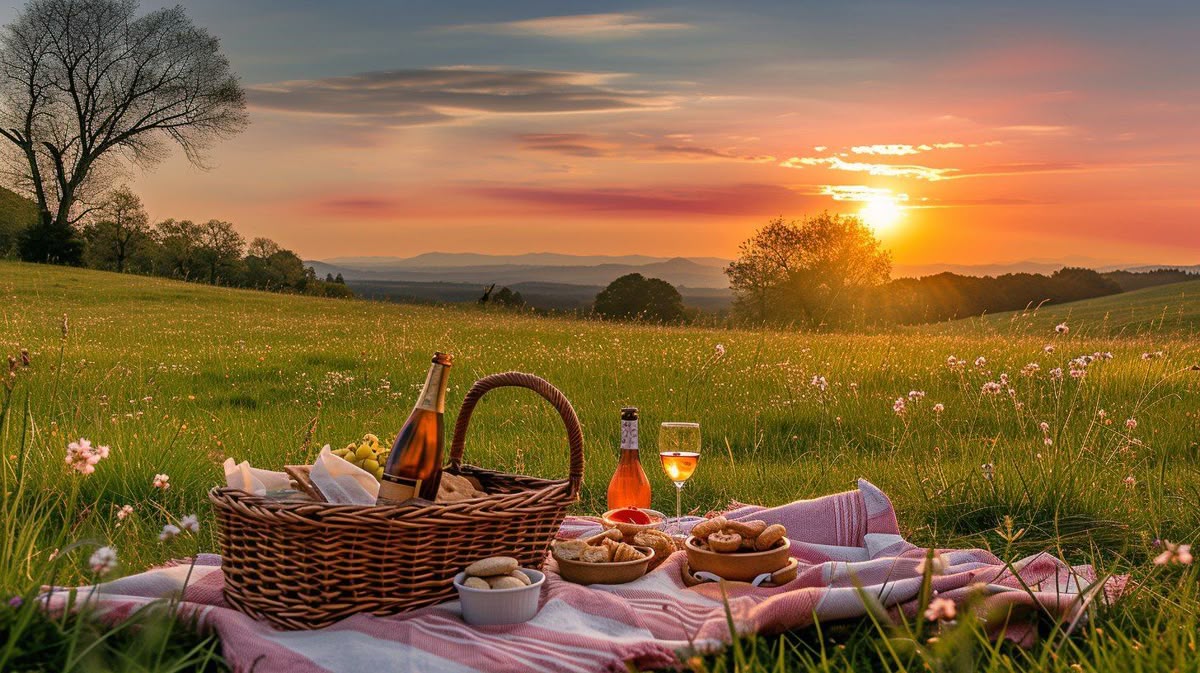
There's something magical about standing in a vineyard at golden hour, glass of wine in hand, listening to a thirdgeneration winemaker share stories that have been passed down through their family. These aren't just places where grapes grow they're living museums where every bottle tells a story of tradition, passion, and the unique character of the land.
Let me take you through my favorite European wine regions, sharing the experiences that made each one special and the practical tips I wish I'd known before I went.
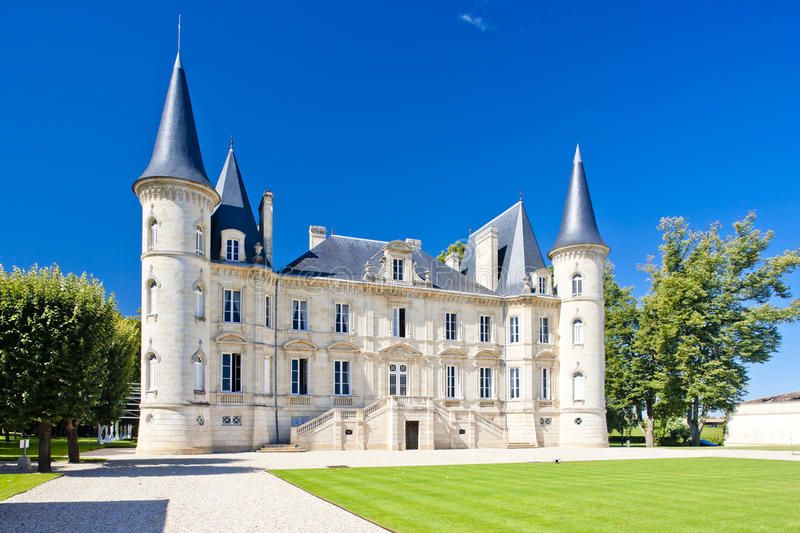
My first "serious" wine trip was to Bordeaux, and honestly, I was intimidated. This is where some of the world's most expensive wines come from, and I was worried I'd embarrass myself by not knowing the difference between Left Bank and Right Bank (spoiler alert: I didn't, and nobody cared).
What I discovered was a region that's surprisingly welcoming to wine novices. The châteaux might look intimidating from the outside, but the people inside are passionate about sharing their craft.
What made Bordeaux special for me:
Bordeaux stole my heart not just with its UNESCO listed cityscape of elegant 18th century facades and the Garonne River's gentle flow, but through those serendipitous moments that turned a weekend getaway into a lifelong memory. Wandering the Chartrons district at dusk, I slipped into a hidden wine bar where locals poured velvety Merlot flights and shared tales of the region's ancient vineyards far from the tourist traps, it felt like being invited to a family secret. The real magic unfolded on a crisp autumn bike ride through the Médoc, pedaling past châteaux like Margaux and Pauillac, where the air hummed with earthy aromas and golden leaves crunched underfoot; stopping for a picnic of fresh oysters and crusty baguette from the Marché des Capucins made me feel utterly alive, unhurried, and connected to the land's soul. What lingers most is the city's effortless blend of sophistication and warmth the late night jazz spilling from Place du Parlement, the spontaneous street art hunts in SaintMichel, and that one rainy afternoon.7+
- The grand château tours that made me feel like I was visiting wine royalty.
- Learning that even expensive wines start with the same basic process I could understand.
- The way different sub-regions produce completely different styles of wine.
- Picnicking in vineyard gardens with bottles that cost less than dinner back home.
Practical tips I learned the hard way:
- Book château visits well in advance, especially during harvest season.
- The Eurostar connection makes it perfect for a long weekend from London.
- Don't try to visit more than 2-3 châteaux per day – you'll get overwhelmed.
- Many tours include food pairings that are worth the extra cost.
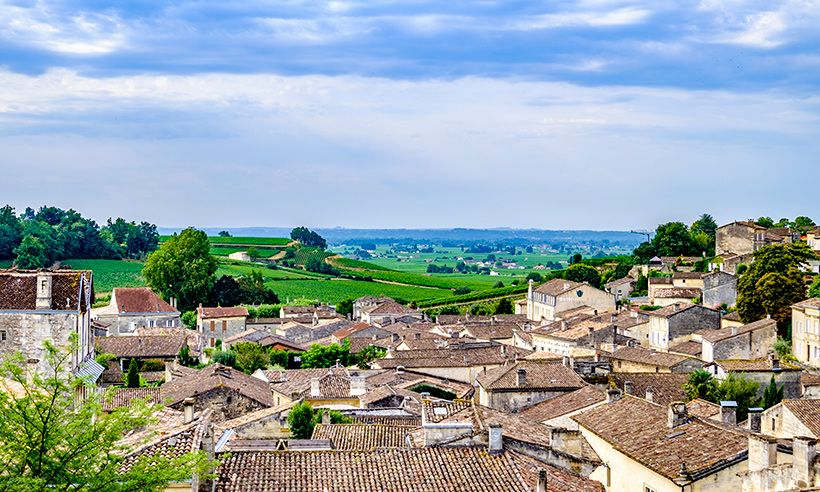
The Médoc region became my favorite because of the dramatic château architecture, while Saint-Emilion won my heart with its medieval village charm and underground cellars carved into limestone.
If Bordeaux was my wine education, Tuscany was where I fell in love with the entire wine country lifestyle. There's something about those rolling hills covered in vines, punctuated by cypress trees and stone farmhouses, that makes you want to slow down and savor every moment.
I spent a week based in a small agriturismo near Montalcino, and it completely changed how I think about wine and food. There's something about every meal being an event, every sunset worth photographing, and every conversation with locals teaching me something new.
Why Tuscany captured my heart:
- The way Sangiovese grapes create wines that taste like the landscape – earthy, warm, and complex.
- Discovering that Chianti Classico is so much more than the basket-bottle wine I knew.
- Learning about biodynamic farming from passionate winemakers who treat their vines like family.
- The incredible food pairings – nothing beats Brunello with wild boar ragu.
What I wish I'd known before going:
- Harvest season (September-October) is magical but book accommodations early.
- Many wineries offer cooking classes alongside tastings.
- Renting a car is essential – the scenic drives are half the experience.
- San Gimignano's towers are beautiful, but the smaller villages have better wine experiences.
The highlight was a sunset tasting at a family-run winery where the grandmother insisted on teaching me how to properly swirl wine in a glass. Her passion was infectious, and I still use her technique today.
Nothing prepared me for the visual impact of the Douro Valley. Those ancient terraced vineyards carved into impossibly steep hillsides look like something from another planet. This is where Port wine was born, but the table wines here are equally impressive and much more affordable.
I took a river cruise from Porto, which turned out to be the perfect way to appreciate the scale and beauty of this UNESCO World Heritage landscape. Watching the sunrise paint those terraced slopes golden while sipping coffee on deck was one of those travel moments you never forget.
What makes Douro Valley unique:
- The dramatic terraced vineyards that seem to defy gravity.
- Learning about the laborintensive process of harvesting grapes on such steep slopes.
- Discovering that Portuguese table wines are seriously underrated.
- The intimate family quintas (estates) where you feel like a personal guest.
Insider tips from my experience:
- River cruises offer the best views and access to remote quintas.
- Many estates offer olive oil tastings alongside wine – don't miss this.
- The region is much less crowded than other famous wine areas.
- September and October offer perfect weather and harvest activities.
The most memorable moment was helping with a small harvest at a family quinta. The physical work gave me a new appreciation for every bottle of wine, and the celebratory lunch afterward felt like being welcomed into a Portuguese family.
I'll admit it – I used to think all sparkling wine was basically the same. Then I visited Champagne and learned about the méthode champenoise, explored those incredible chalk cellars, and tasted wines that had been aging longer than I'd been alive.
Épernay became my base, and I loved how you could walk down the Avenue de Champagne and visit world-famous houses like Moët & Chandon, then discover tiny grower-producers in the surrounding villages who make equally amazing wines.
What blew my mind about Champagne:
- The vast underground cellars carved from chalk – some stretch for miles.
- Learning that true Champagne can only come from this specific region.
- Discovering grower-producers who make incredible wines you can't find anywhere else.
- The precision and patience required – some wines age for decades before release.
Planning tips I learned:
- Book cellar tours in advance, especially at famous houses.
- Day trips from Paris are possible but staying overnight is better.
- Vintage van tours are fun but limit how much you can taste.
- Many houses offer food pairings that showcase Champagne's versatility.
The highlight was a vertical tasting of the same cuvée from different years, showing how weather and time create completely different expressions of the same wine. It was like tasting history in a glass.
Rioja surprised me with its diversity. I expected traditional bodegas with dusty bottles, and while I found those, I also discovered ultra modern wineries with cutting edge architecture and experimental winemaking techniques. The contrast made every day interesting.
The town of Haro became my favorite base, with its concentration of traditional bodegas within walking distance. But the real discoveries happened in the smaller villages, where family wineries welcomed me like an old friend.
What I loved about Rioja:
- The way Tempranillo grapes create wines ranging from fresh and fruity to complex and aged.
- Discovering that Spanish wine offers incredible value compared to French equivalents.
- The blend of traditional underground cellars and futuristic winery architecture.
- Learning about the different aging classifications – Crianza, Reserva, Gran Reserva.
Practical advice from my visits:
- Bilbao makes a great starting point with its art scene and excellent food.
- Many bodegas offer vineyard picnics during good weather.
- The wine harvest festivals in September are worth timing your visit around.
- Don't miss the opportunity to try wines directly from the barrel.
One bodega owner spent an entire afternoon teaching me about oak aging, letting me taste the same wine from different barrel types. The education was invaluable, and I left with a much deeper appreciation for the winemaker's craft.
Santorini's wine scene is unlike anywhere else in Europe. The volcanic soil creates wines with a distinctive mineral character, and the traditional basket-shaped vine training (called kouloura) protects grapes from the strong Aegean winds.
I visited during shoulder season in May, which turned out to be perfect – the weather was beautiful, the crowds were manageable, and the spring light made everything look magical.
What makes Santorini special:
- The unique volcanic terroir that creates wines you can't find anywhere else.
- Assyrtiko grapes that produce crisp, mineral-driven white wines.
- Sunset tastings with views over the caldera – pure magic.
- Learning about ancient winemaking techniques still used today.
Tips for wine lovers visiting Santorini:
- Book winery visits in advance, especially during summer.
- Many tours combine cultural sites with wine tastings.
- The sweet Vinsanto dessert wine is worth seeking out.
- Spring and fall offer the best weather and fewer crowds.
The most memorable tasting was at a family winery where the owner explained how volcanic ash affects grape flavor while we watched the sunset paint the caldera walls gold and pink. It was the perfect combination of education and beauty.
Beyond the famous regions, these lesser-known spots became unexpected favorites:
- Tokaj, Hungary Sweet Discoveries: My trip to Tokaj was a last-minute addition to a Budapest visit, and it ended up being one of my favorite wine experiences. The sweet wines made from "noble rot" grapes were unlike anything I'd tasted, and the family wineries felt refreshingly authentic. Learning about the noble rot process that creates these unique dessert wines, discovering that Hungarian wine culture is incredibly rich and underappreciated, the intimate family wineries where every bottle has a story, perfect pairing opportunities with local cuisine.
- Mosel Valley, Germany Riesling Paradise: The steep vineyard slopes of the Mosel Valley create some of the world's best Riesling wines, and the river valley setting is absolutely stunning. I took a boat tour that stopped at different wineries, which was both relaxing and educational. The impossibly steep vineyards that seem to defy gravity, Riesling wines ranging from bone-dry to lusciously sweet, charming wine villages that feel frozen in time, the 2,000 year winemaking history you can taste in every glass.
- Vienna, Austria Urban Wine Culture: Vienna's urban wineries were a revelation – who knew you could make world-class wine within city limits? The combination of wine tasting and city culture made for a unique experience. Grüner Veltliner and Riesling produced right in the city, Heuriger wine taverns serving new wine with traditional food, vineyards dating back to the 12th century in a modern capital, the perfect blend of urban culture and wine tradition.
After visiting dozens of wineries across Europe, here's what I wish someone had told me before I started:
Timing Your Visits:
When planning your trip to a bustling destination like Paris, timing is everything to balance crowds, weather, and costs. Spring (April to June) and fall (September to October) are ideal shoulder seasons, offering mild temperatures around 15-20°C (59-68°F), blooming gardens in places like the Luxembourg Gardens, and fewer tourists than the summer rush—perfect for leisurely strolls along the Seine without elbowing through lines at the Eiffel Tower. Avoid peak summer (July-August) if you dislike heatwaves and inflated hotel rates, though it's prime for outdoor festivals. Winter brings festive markets and a magical snowy charm.
- May through October offers the best weather and vineyard experiences.
- Harvest season (September-October) is magical but requires advance booking.
- Shoulder seasons often provide better value and fewer crowds.
- Winter visits can be cozy but many smaller wineries close.
Making the Most of Tastings:
- Don't try to visit more than 2-3 wineries per day – you'll get palate fatigue.
- Ask questions – winemakers love sharing their passion and knowledge.
- Take notes or photos of wines you enjoy – you'll forget otherwise.
- Don't feel pressured to buy, but do support small producers when you find something special.
Practical Planning:
- Book accommodations early, especially during harvest season.
- Consider staying at wine estates for the full immersion experience.
- Rent a car for flexibility, but plan for designated drivers.
- Many regions offer guided tours that handle transportation and bookings.
Cultural Considerations:
- Learn a few basic phrases in the local language – it's always appreciated.
- Respect local customs around wine service and tasting.
- Don't be afraid to admit you're learning – most people are happy to teach.
- Try local food pairings – they're designed to complement regional wines.
These wine journeys taught me that the best travel experiences happen when you slow down and really connect with a place. Instead of rushing through a checklist of sights, I learned to appreciate the stories behind what I was tasting, the passion of the people making it, and the landscapes that shaped it all.
Every wine region has its own personality, from Bordeaux's aristocratic elegance to Santorini's volcanic drama. But what they all share is a deep connection between people, place, and tradition that you can literally taste in every glass.
Whether you're a serious wine enthusiast or just someone who enjoys a good glass with dinner, European wine regions offer experiences that go far beyond just drinking. They're about culture, history, craftsmanship, and the simple pleasure of sharing something beautiful with people who are passionate about creating it.
So grab a glass, book that trip, and prepare to discover that European wine country isn't just about the wine – it's about falling in love with entire ways of life, one sip at a time.
What questions do you have about European wine travel? I'm always happy to share more specific recommendations!